
If your braces wire is poking and hurting, you can calm things down at home with this simple, safe method until you see your orthodontist.
Wash your hands and rinse your mouth
Clean hands reduce the risk of infection, and rinsing helps remove any food around the wire.
Dry the area gently
Use a clean tissue or cotton to gently dry the bracket and the part of the wire that is poking. This helps the wax stick better.
Use orthodontic wax or sugar-free chewing gum
Pinch off a small piece of orthodontic wax, roll it into a tiny ball, and press it firmly over the sharp end of the wire.
If you do not have wax, you can temporarily use a small piece of sugar-free chewing gum in the same way.
Rinse with warm salt water
Mix half a teaspoon of salt in a glass of warm water and rinse to soothe any cuts or soreness.
Call your orthodontist as soon as possible
This is only temporary relief; you still need a professional to fix the wire properly.
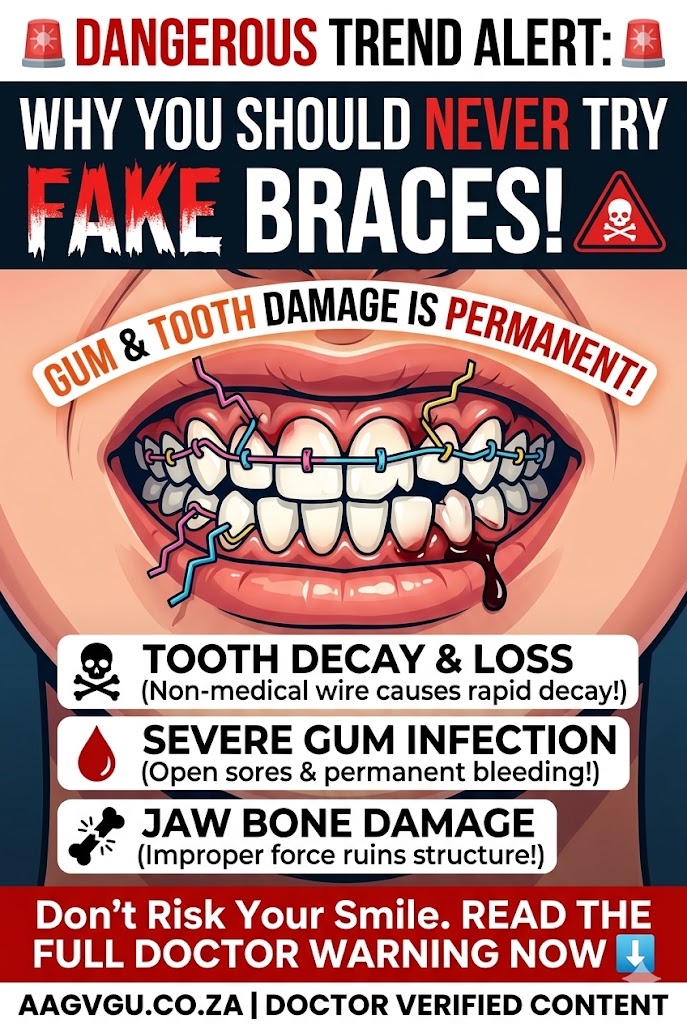
In recent years, the cosmetic appeal of a straight, metal smile has driven a worrying trend: people buying and wearing fake braces for fashion. What started as a fleeting style statement is far from harmless. Fake braces—often cheap, ill-fitting, or self-applied—carry real health risks that can cause pain, infection, and long-term dental damage.
First, many fake braces are made from non-medical materials and lack proper sterilization. When attached to teeth with illegal adhesives or household glues, they introduce bacteria into the mouth. This increases the risk of gum infections, tooth decay, and even abscesses. Unlike professional orthodontic work, these devices are not hygienically applied or monitored, so infections can develop unnoticed until they are painful or serious.
Second, ill-fitting braces can damage teeth and gums. Real orthodontic braces are carefully calibrated by dentists to move teeth gradually and safely. Fake braces exert unpredictable pressure, which can loosen teeth, wear down enamel, or cause gum recession. In severe cases, this can lead to tooth mobility or loss—outcomes no cosmetic fashion choice should risk.
Third, the adhesives used to attach fake braces can be corrosive or toxic. Some users report chemical burns on the inner lips and gums, allergic reactions, or ingestion of harmful substances when adhesives break down in saliva. Young people and teens, who make up a large portion of the trend, may be especially vulnerable to these complications.
Fourth, DIY removal often causes more harm than the initial application. Attempts to pry off fake braces with household tools can chip tooth enamel, fracture teeth, or cut soft tissues. Once dental damage occurs, treatments such as root canals, crowns, or even extractions may be necessary—costly and invasive repairs that outweigh any temporary aesthetic benefit.
Finally, wearing fake braces sends a misleading message about dental health. Orthodontic treatment exists to address functional and health-related issues, not as a mere fashion accessory. If you want straighter teeth or are drawn to the braces aesthetic, consult a licensed orthodontist. Safer alternatives include removable clear aligners prescribed by a professional or cosmetic options like temporary grills made by reputable jewelers.
In short, fake braces are more than a style mistake—they’re a health risk. Protect your smile: avoid DIY braces, seek licensed dental care, and prioritize long-term oral health over a temporary trend.