

woman from Vryheid, KwaZulu-Natal, was recently attacked by a snake, prompting emergency intervention and renewed concern about snake-related incidents in the area. According to reports, the woman was bitten while going about her daily activities near her home, causing immediate distress and concern among her family and neighbors. KwaZulu-Natal is known for its diverse snake population, and incidents of snakebites are particularly common during the rainy season when snake activity increases.
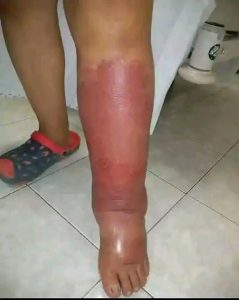
Incident Details
The attack reportedly occurred during the early evening as the woman was tending to chores outside. Local witnesses claim she was unaware of the snake’s presence until it struck, resulting in a painful bite. The species involved in the attack was not immediately identified, but experts in the region warn that both venomous and non-venomous snakes are frequently mistaken for each other, increasing the dangers associated with handling or encountering these reptiles.
Emergency Response
Family members quickly rushed to her aid, and emergency services were contacted. Specialized teams arrived and provided necessary first aid before airlifting her to hospital for further treatment. Medical professionals emphasize the importance of rapid intervention in cases of snakebite, owing to the risk of severe pain, swelling, and possible complications from cytotoxic venom. They caution residents to always seek medical attention if bitten, as some species can cause extensive tissue damage.
Community Awareness
Recent warnings from snake experts highlight the risks posed by snakes like the Stiletto Snake, which are particularly active in KwaZulu-Natal and known for their side-stabbing bite mechanism. There is currently no antivenom for certain species, making symptom management and wound care essential. Residents of Vryheid and surrounding rural communities are urged to stay vigilant, avoid handling snakes, and teach children to recognize potential threats. Increased reporting and educational campaigns continue in an effort to reduce future incidents and support safe coexistence with local wildlife.