
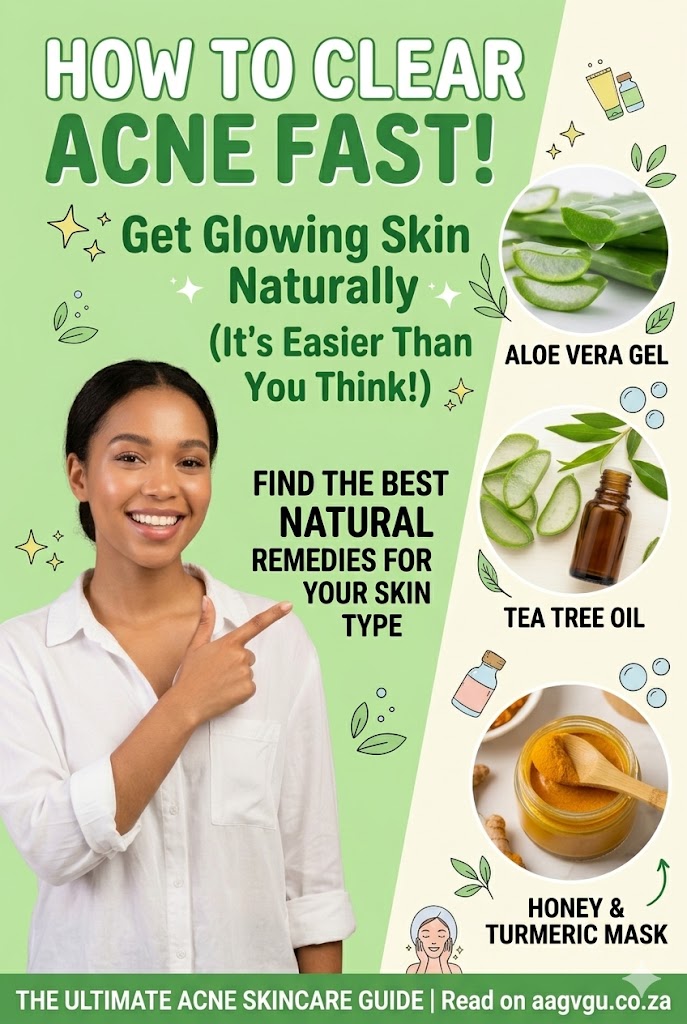
Waking up to a sudden breakout can ruin your confidence, but you don’t have to hide away. If you want to know how to clear acne fast, you need to target the root cause of stubborn breakouts. In this guide, we break down the best natural remedies for acne and a simple daily routine to get your glowing skin back.
Acne: Understanding Causes, Care, and Confidence
Acne is one of the most common skin conditions worldwide, affecting millions across age groups. While it’s often associated with teenage years, acne can appear at any stage of life and carry physical and emotional effects. Understanding what causes acne, how to care for skin effectively, and ways to protect mental wellbeing helps people manage outbreaks and maintain confidence.
What causes acne?
Acne develops when hair follicles become clogged with oil (sebum), dead skin cells, and sometimes bacteria. Hormonal changes are a major driver: during puberty, pregnancy, menstrual cycles, or times of stress the body produces more androgens, which boost sebum production. Genetics also play a role—if parents had acne, you’re more likely to get it. External factors such as certain cosmetics, medications, diet (notably high-glycemic foods and dairy for some individuals), and friction from clothing or phones can worsen symptoms.
How to Clear Acne Fast: Stubborn Breakout Remedies
Common types and symptoms
Acne shows up as whiteheads, blackheads, papules, pustules, nodules, or cysts. Whiteheads are closed clogged pores, blackheads are open and oxidized debris, and deeper nodules or cysts are inflamed lesions that can be painful and leave scars. Mild acne usually involves occasional whiteheads and blackheads; moderate acne includes inflamed bumps and pustules; severe acne features widespread nodules and cysts needing medical attention.
Practical skincare steps
– Cleanse gently: Use a mild, non-comedogenic cleanser twice daily to remove oil and dirt without stripping the skin’s natural barrier.
– Don’t over-exfoliate: Physical scrubs and strong acids used too often can irritate skin and worsen acne. Limit exfoliation to 1–3 times weekly depending on product strength and skin tolerance.
– Use targeted treatments: Look for active ingredients such as benzoyl peroxide (reduces bacteria), salicylic acid (unclogs pores), and topical retinoids (promote cell turnover). Start slowly to monitor skin sensitivity.
– Moisturize: Choose a lightweight, oil-free moisturizer to support the skin barrier and reduce irritation from acne treatments.
– Sun protection: Some acne treatments increase sun sensitivity. Use a non-comedogenic sunscreen daily.
– Avoid picking: Squeezing or popping pimples raises infection risk, inflammation, and scarring.
When to see a professional
If acne is persistent, widespread, painful, or causing scarring, consult a dermatologist. Prescription options—stronger topical retinoids, oral antibiotics, hormonal treatments like combined oral contraceptives or anti-androgens, and isotretinoin—can provide significant improvement. A dermatologist can also recommend in-office procedures such as chemical peels or light therapies.
Emotional impact and self-care
Acne can affect self-esteem and mental health. Recognize that it’s a medical condition, not a personal failing. Seek support from trusted friends, online communities, or a counselor when anxiety or depression arises. Practice holistic self-care: balanced nutrition, adequate sleep, stress management, and exercise can support skin health.
Final thought
Acne is manageable with the right combination of gentle daily care, targeted treatments, and professional guidance when needed. Patience is essential—most treatments need weeks to show results. With the right approach, people can control flare-ups, reduce scarring, and preserve both skin health and confidence.