
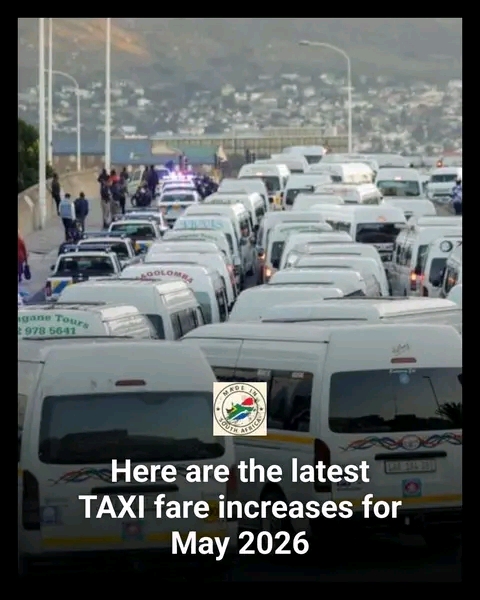
Cape Town and Johannesburg – Commuters in the Western Cape and Gauteng are reeling from sharp taxi fare increases, announced this week as diesel prices soar to unprecedented highs. The hikes, effective immediately, add up to 10-15% to daily rides, hitting low-income workers hardest in a province already grappling with economic pressures.
Santaco (South African National Taxi Council) cited skyrocketing fuel costs as the primary driver. Diesel, now retailing at over R25 per litre in many areas – a record jump from last month’s R22 – stems from global oil volatility, rand weakness, and local refinery disruptions. “We had no choice; operators can’t absorb these costs anymore,” said Santaco spokesperson Theo Malele. In Cape Town’s Khayelitsha and Mitchells Plain townships, fares from township to city centre have risen from R20 to R23, while Johannesburg’s Soweto to Sandton routes now cost R25 instead of R22.
For daily commuters like Noluthando Mkosi, a domestic worker from Khayelitsha, the pinch is immediate. “I spend R100 daily on taxis to and from work. This hike means less food on the table or skipping shifts,” she shared at a bustling Cape Town rank. Similar stories echo in Gauteng, where minibus taxis – the lifeline for 70% of public transport users – face empty seats as riders walk longer or carpool desperately.
Government response has been muted. The Department of Transport urges negotiations, but critics like DA’s Western Cape transport shadow minister Tertuis Simmers call for subsidies or regulated caps. “Fuel levies must be reviewed; this burdens the poor disproportionately,” Simmers argued.
As South Africans navigate this storm, resilience shines through. Community WhatsApp groups share pooling tips, and churches in townships offer motivational rideshares inspired by Proverbs 3:5-6: “Trust in the Lord with all your heart.” Yet, with inflation at 5.2%, experts warn of ripple effects on retail and small businesses.
What can commuters do? Budget tightly, explore bus alternatives like MyCiTi, and demand accountability via petitions. The road ahead is bumpy, but united voices can steer change