
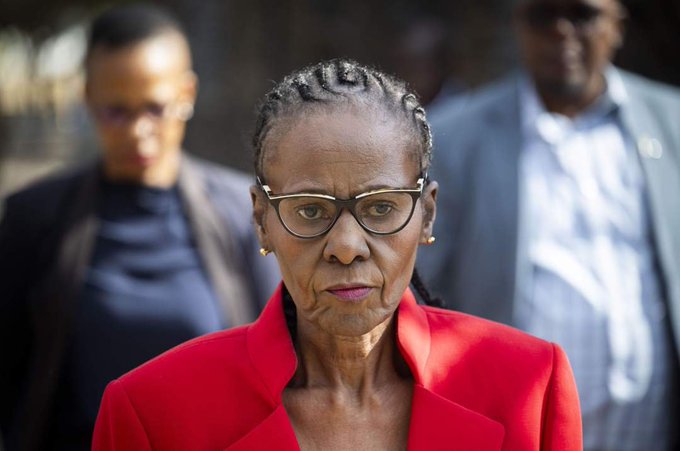
a surprising turn of events that underscores the supremacy of judicial authority in South Africa, President Cyril Ramaphosa has filed court papers affirming he will not contest a High Court order to remove retired Justice Sisi Khampepe as chairperson of a key government commission. The announcement, lodged at the Gauteng High Court in Pretoria on Friday, marks a pivotal moment in ongoing tensions between the executive and judiciary over institutional appointments.
The controversy erupted last month when the court ruled Khampepe’s position as chair of the Commission of Inquiry into State Capture—commonly known as the Zondo Commission follow-up panel—unconstitutional. Critics argued her dual role in advisory capacities breached separation of powers principles, citing Section 165 of the Constitution, which safeguards judicial independence. Ramaphosa’s initial response hinted at an appeal, but fresh affidavits reveal a strategic retreat, prioritizing national stability amid economic pressures and coalition government fragility.
Legal experts hail the move as pragmatic. “This demonstrates respect for the rule of law, avoiding a protracted battle that could erode public trust,” says constitutional lawyer Advocate Thuli Madonsela, former Public Protector. Ramaphosa’s papers emphasize compliance, stating: “The Presidency accepts the order and commits to swift implementation to refocus on anti-corruption imperatives.”
The decision ripples through ANC circles, where Khampepe’s ousting revives debates on patronage in state institutions. Opposition parties like the DA and EFF seize the opportunity, demanding broader reforms. DA leader John Steenhuisen tweeted: “A win for accountability—Ramaphosa can’t pick and choose judicial rulings.”
As South Africa grapples with unemployment at 33% and service delivery protests, this saga highlights fragile governance. The Presidency now faces the task of appointing a new chair, with speculation on figures like retired Judge Raymond Zondo returning. Ramaphosa’s concession may bolster his image as a unifier, but it exposes vulnerabilities in executive-judicial relations.