
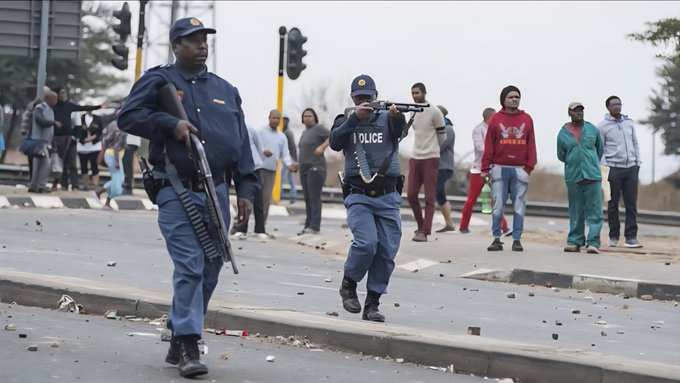
Pietermaritzburg, the capital of KwaZulu-Natal, has claimed the unwelcome top spot on Numbeo’s 2026 Crime Index as the world’s most dangerous city. The annual crowd-sourced report, updated February 2026, scores the city at 85.7 out of 100—surpassing notorious hotspots like Pretoria (84.2) and Johannesburg (82.9). Metrics highlight rampant violent crime, including muggings, assaults, and carjackings, with residents reporting a 92% worry rate over home robberies and 88% fearing attacks during daylight.
Numbeo’s data, drawn from thousands of user submissions worldwide, paints a stark picture. Pietermaritzburg’s streets, once vibrant with Zulu heritage and colonial charm, now grapple with escalating gang violence and economic despair. Unemployment hovers at 45% in the province, fueling petty theft that spirals into brutality. “Walking alone at night feels like a gamble,” one anonymous contributor shared. Local police stats corroborate: over 1,200 murders in KZN last year alone.
Yet, amid the shadows, glimmers of resilience emerge. Community watch groups and faith-based initiatives, like Pietermaritzburg’s growing church networks, rally for change. “Proverbs 24:10 reminds us strength shines in adversity,” says Pastor Thabo Nkosi of City Hope Ministries. Authorities pledge R500 million for smart policing tech and youth programs.
South Africans, Pietermaritzburg included, have overcome worse. Prayer vigils pack stadiums, and entrepreneurs launch safety apps. Ranking first isn’t destiny—it’s a call to unite. With collective action, this city of warriors can reclaim its throne as a beacon of hope, not peril