
October marks Breast Cancer Awareness Month in South Africa, a crucial time to focus on early detection, which greatly improves treatment success and survival rates. With approximately 19.4 million South African women aged 15 and older at risk, knowing how to perform a breast self-examination (BSE) is an accessible and empowering step every woman should take.
Performing a breast self-examination monthly can help women become familiar with their breasts and notice any changes early. The best time for BSE is a few days after your menstrual period ends when breasts are least likely to be swollen or tender. For women who no longer menstruate, pick a consistent day each month.
Here is a simple step-by-step guide to performing a breast self-examination:
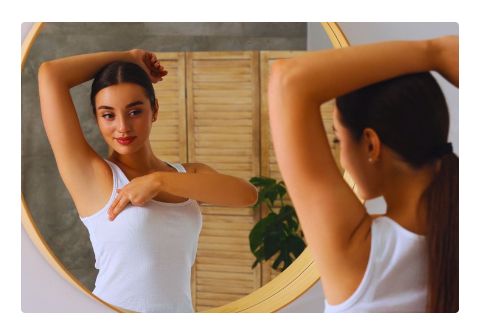
Visual Inspection: Stand in front of a mirror with your arms at your sides. Look for any visible changes such as dimpling, swelling, or changes in breast shape or skin texture. Then raise your arms overhead and check again.
Physical Exam – Lying Down: Lie down and use the pads of your fingers to feel your breast. Use small circular motions, applying different levels of pressure to feel all breast tissue, from the surface to deeper layers. Start at the outer edge and move toward the nipple in a pattern (such as circular, up-and-down, or wedge-shaped) to cover the entire breast.
Physical Exam – Standing or Sitting: Many women find it easier to check their breasts while showering. With wet, soapy hands, repeat the finger movements described above.
Check the Nipples: Gently squeeze each nipple to check for any discharge or lumps.
If you notice any abnormalities such as lumps, unusual thickening, nipple discharge, or skin changes, consult a healthcare professional promptly for further evaluation. Remember, most breast changes are benign, but early detection is key in fighting breast cancer.
Breast Cancer Awareness Month serves as an important reminder: early detection through regular self-exams can save lives. Make it part of your monthly routine and encourage loved ones to do the same. Your vigilance might be the first step toward early treatment and recovery