
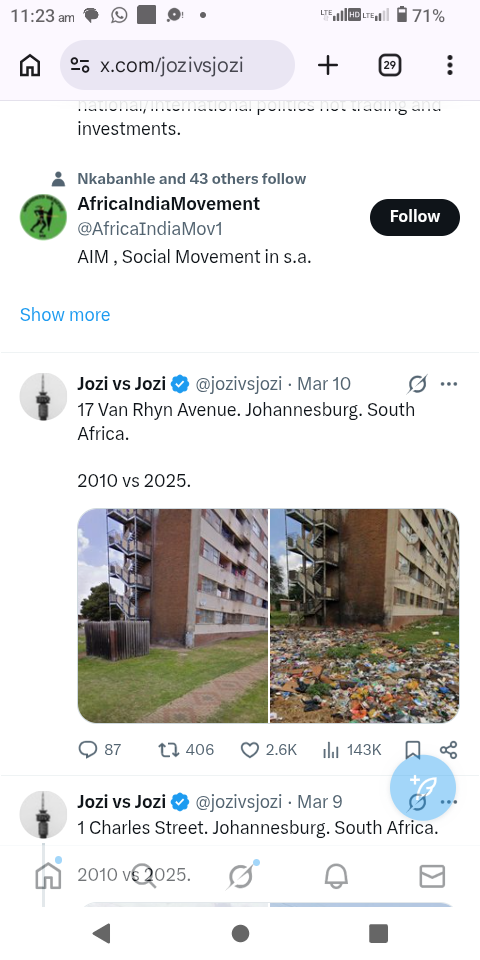
Nestled in the vibrant suburb of Linden, Johannesburg, 17 Van Rhyn Avenue stands as a quiet sentinel on a tree-lined street that has witnessed the city’s dramatic transformation over 15 years. In 2010, this address epitomized post-apartheid South Africa’s gritty optimism. Johannesburg was rebounding from the 2010 FIFA World Cup buzz, with Van Rhyn Avenue buzzing with young families, small businesses, and the hum of minibus taxis ferrying workers to the CBD. Property prices hovered around R800,000 for a modest three-bedroom home like number 17, affordable amid economic recovery. Yet, challenges loomed: load-shedding blackouts plagued evenings, potholed roads tested drivers, and crime rates spiked, with residents forming neighborhood watches under flickering streetlights.
Fast-forward to 2025, and Van Rhyn Avenue gleams with renewal. Eskom’s intermittent power has eased thanks to solar panels dotting rooftops, including at number 17, now valued at over R2.5 million. Gentrification has arrived—think artisanal coffee shops replacing spaza stores, e-bikes zipping past upgraded pavements, and young professionals telecommuting from home offices. The avenue’s demographic has shifted: more multicultural families, tech startups in converted garages, and community gardens blooming where weeds once ruled. Crime? Down 40% due to smart CCTV and vigilant apps like Nextdoor. Johannesburg’s metro police patrols are more visible, fostering a safer vibe.
This evolution mirrors South Africa’s journey—from survival to thriving. Van Rhyn Avenue’s story inspires: resilience turns trials into triumphs. As Proverbs 24:10 reminds us, “If you falter in a time of trouble, how small is your strength!” Residents here didn’t falter; they built brighter futures. What’s next for Linden? Perhaps eco-homes and youth hubs. Johannesburg pulses on.
By Dumoh Dumoh | aagvgu.co.za | March 12, 2026