
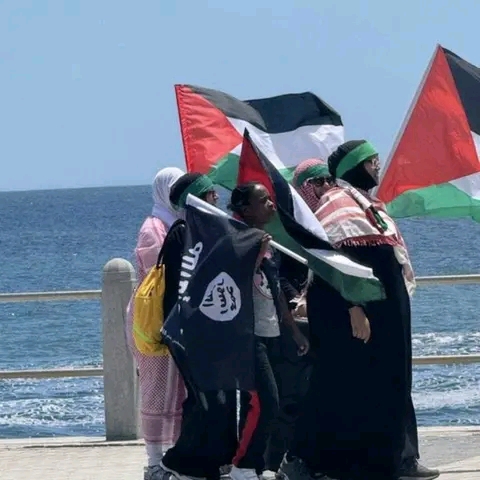
Cape Town’s streets have turned tense following reports of ISIS and Hamas flags waving at recent pro-Iran gatherings. These aren’t mere protest props; they’re symbols tied to global terror. ISIS’s legacy includes beheadings, bombings, and a blood-soaked caliphate bid in the Middle East. Hamas stands accused of rocket attacks and civilian-targeted violence in the Israel-Gaza conflict. Designated terrorists by many nations, their presence here raises red flags.
Security experts are blunt: this isn’t harmless expression. “Publicly flaunting such flags intimidates Jewish communities, signals to radicals, normalises hate, and imports Middle East strife into Mzansi,” warns analyst Thabo Mthembu. In a city already battling gang violence and load-shedding woes, this could spark local flashpoints between faiths and ethnic groups.
South Africa’s Constitution champions free speech, but draws a hard line at glorifying terror or inciting harm. Community voices, from rabbis to imams, plead for calm: “We’re one nation, not a battleground for foreign wars,” says Rabbi David Cohen of Sea Point Synagogue.
Police are under the spotlight. Will they probe violations of anti-terror laws or public order rules? The real puzzle: how did these emblems infiltrate our protests? Whispers point to unchecked online radicalisation and diaspora influences.
This isn’t about stifling debate on Iran or Palestine – it’s about safeguarding peace. As Cape Town stands on edge, leaders must act decisively: probe threats, unite communities, and ensure no fertile ground grows for extremism. South Africa’s rainbow harmony demands it – freedom yes, but safety first.